Understanding the line between DIY and professional help
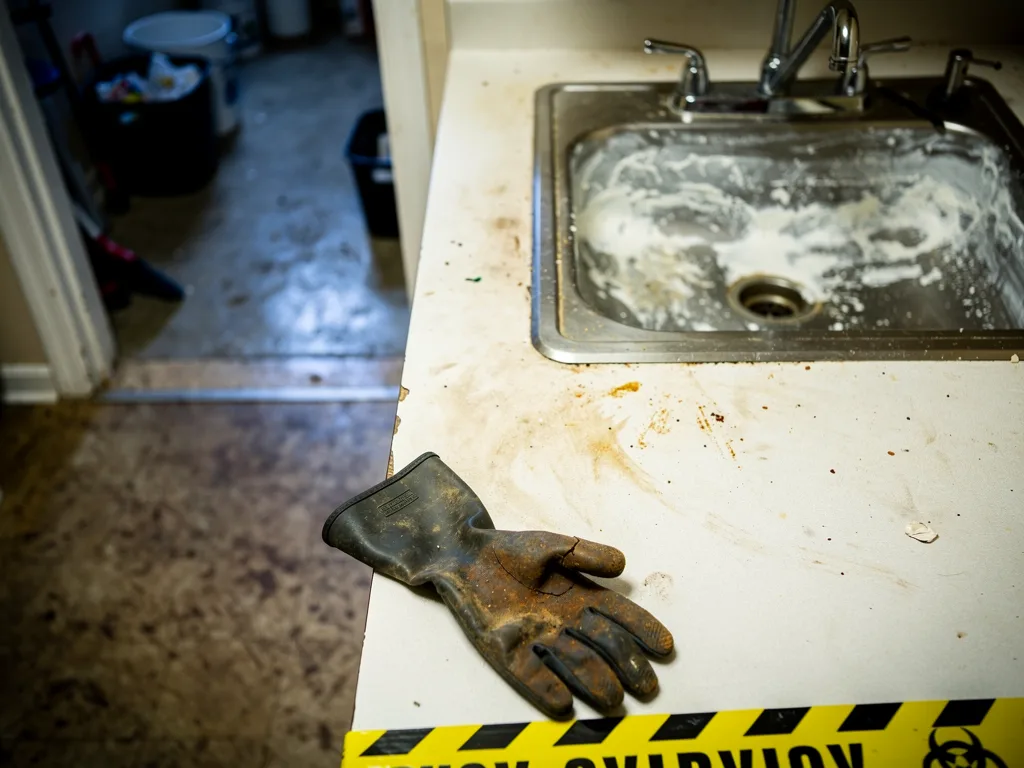
In North Carolina homes, some everyday messes can be cleaned with basic caution. But biohazard cleanup is different. It involves contaminants that can pose serious health risks if not handled correctly. Our team of biohazard remediation technicians specializes in containment, removal, and disposal according to state guidelines.
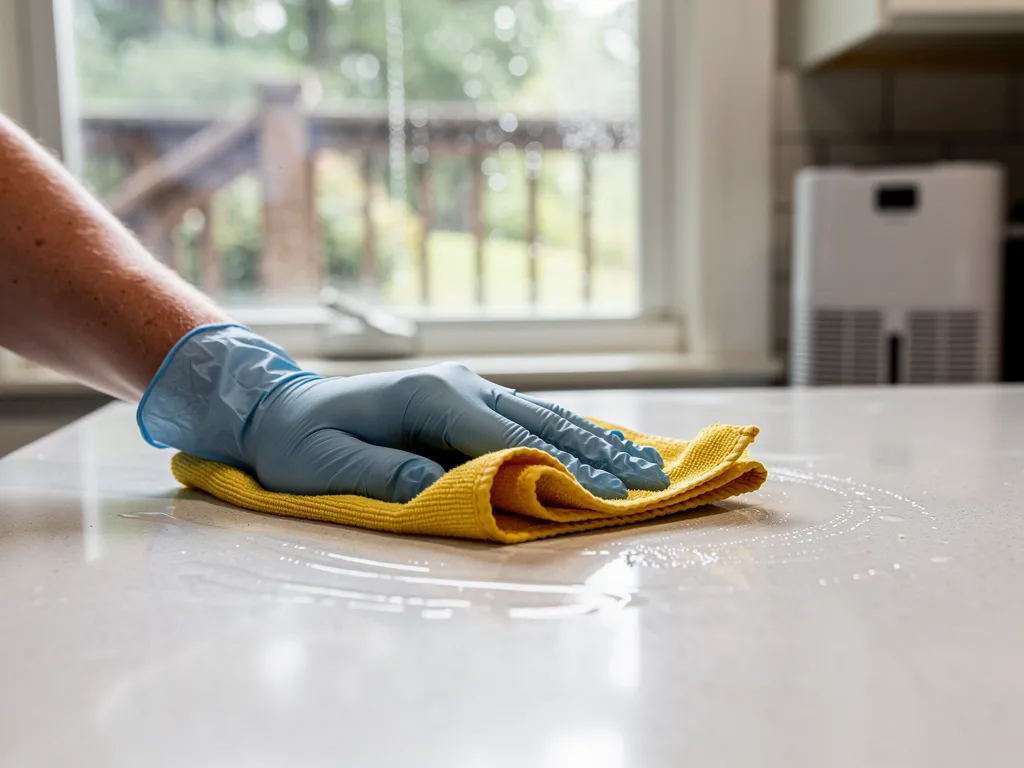
DIY might seem tempting for small messes, yet a little spill can hide unseen complications. The goal is to prevent exposure and avoid spreading contamination to other areas of the home.
When to call a professional
If there is any sign of biological contamination, bodily fluids, mold growth with visible staining, or persistent odors after cleaning attempts, contact a pro. In North Carolina, weather and humidity can drive hidden issues behind walls or under floors. A quick evaluation by our crew helps confirm whether professional cleanup is needed.
Common triggers to call a professional include ongoing dampness after cleaning, staining that recurs, or a space that has had a recent accident or medical event. If you’re unsure, it’s safer to have a professional assess the site.
What a professional assessment involves
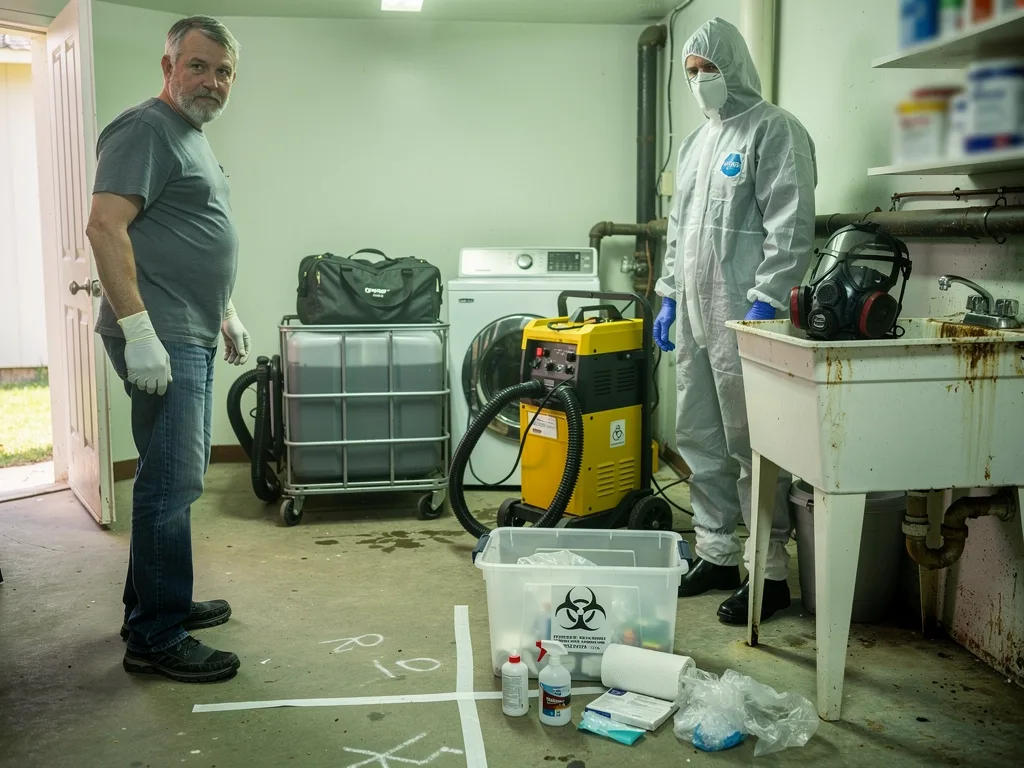
The biohazard remediation technician will perform a site survey, identify contaminants, and determine containment needs. Expect a written scope of work, a plan for safe removal, and a transparent explanation of disposal options. You’ll also get guidance on any needed repairs or restoration after cleanup.
Practical advice for North Carolina homeowners
Limit exposure by keeping occupants out of the area during the cleanup. Turn off HVAC systems if advised by the technician to prevent cross-contamination. Ask about air filtration methods used on site and how long the space should be restricted after cleanup is completed.
Bottom line
When in doubt, call it in. Across North Carolina, our biohazard remediation technicians provide a clear plan, careful containment, and compliant disposal to protect your home and family.